Types of Tea Explained: A Beginner's Guide to Flavors
White, green, oolong, black, pu-erh and herbal. A clear guide to the main types of tea, how each is made and what each one tastes like.

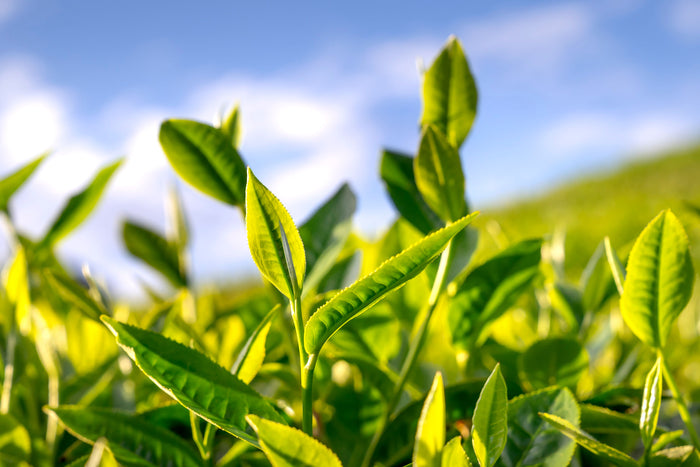
All true tea comes from one plant, Camellia sinensis. So how do we end up with so many types of tea? It's all in the processing. What happens after the leaves are picked, especially how much they oxidize, decides whether a tea becomes white, green, oolong, black or pu-erh. Think of this as your pocket map of the tea world, with notes on what each type tastes like.
What is oxidation?
Cut an apple and leave it on the counter. It turns brown as it meets the air. Tea leaves do something similar once they're bruised or rolled, and makers control it with heat. Stop it early and the leaves stay green. Let it run and they turn dark and malty. Oxidation is the main dial behind every category below. (It's the same chemistry that browns your avocado toast, just put to much better use.)
White tea
How it is made: young buds and leaves are simply withered and dried, with very little fuss.
Tastes like: soft, sweet and floral, with hints of honey, melon or hay.
Try: Organic White Prakash from Nepal or browse all white teas.
Green tea
How it is made: leaves are heated soon after picking to stop oxidation, by steaming in Japan or pan-firing in China.
Tastes like: grassy, vegetal, nutty or marine, depending on the style.
Try: Xi Hu Long Jing for a classic Chinese green or the green tea collection.
Oolong tea
How it is made: leaves are partly oxidized, anywhere from lightly to heavily, then often rolled and roasted.
Tastes like: the widest range of any type, from orchid-floral and buttery to toasty and dark.
Try: Rare Leaves Black Pearl by August Uncommon Tea from Taiwan or OSULLOC Jeju Volcanic Oolong. Explore all oolongs.
Black tea
How it is made: leaves are fully oxidized before drying. In China it is called red tea, after the color of the cup.
Tastes like: malty, brisk, sometimes chocolatey or fruity. Strong enough for milk.
Try: Darjeeling Sungma Summer or Jorhat Assam. See all black teas.
Pu-erh tea
How it is made: leaves from Yunnan, China, are fermented and often aged, sometimes for years.
Tastes like: earthy, smooth and deep, like a forest floor and dark wood.
Try: Golden Pu-erh or read What Is Pu-erh Tea?
Herbal tea (tisane)
How it is made: herbal teas are not from the tea plant at all. They are infusions of flowers, herbs, roots, spices or fruit.
Tastes like: anything from bright mint to tart hibiscus to sweet rooibos. Usually caffeine-free.
Try: Herbal & Caffeine-free.
And what about chai and matcha?
Chai is a style rather than its own type. It's usually black tea blended with warming spices, and you'll find plenty in our chai collection. Matcha is a powdered green tea made from shade-grown leaves. Our matcha vs green tea guide explains the difference.
How to find your favorite
Start with what you already love. Coffee drinkers often take to black tea and roasted oolong. Wine lovers tend to enjoy Darjeeling and high mountain oolongs. If you like light, fresh flavors, white and green tea are calling your name. Our guide to finding your tea goes deeper.
Quick answers
How many types of tea are there?
There are five main types from the tea plant: white, green, oolong, black and dark tea such as pu-erh. Some experts count yellow tea as a sixth, and tea people do love a good debate.
Which type of tea has the least caffeine?
Herbal teas are naturally caffeine-free. Among true teas, caffeine depends more on the leaf and how you brew it than on the type. See our caffeine guide.
What is the best tea for beginners?
A smooth black tea, a gentle green or a fragrant oolong are all friendly places to start. Our Starter Teas collection gathers a few favorites.