Camellia Sinensis: Where the Tea Plant Grows and What It Needs
Meet Camellia sinensis, the one plant behind every true tea: where it comes from, how it spread around the world and the climate, soil and care it needs to make great tea.

Black, green, white, oolong, matcha, pu-erh: every one of them starts as a leaf of Camellia sinensis, the tea plant. One evergreen shrub gives us an astonishing range of cups, and where it grows shapes the flavor nearly as much as how the leaves are made. Let's take a closer look at the plant, the places it has called home for centuries and the conditions it needs to make really good tea.
Meet Camellia sinensis
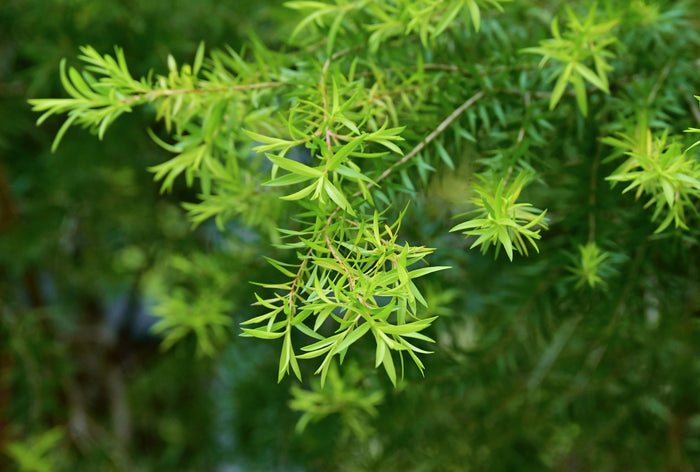
The tea plant is a close cousin of the showy camellias that brighten so many gardens. In the wild it can grow into a tree well over 30 feet tall. On tea farms it's kept pruned to a low, flat-topped bush, about waist high, so pickers can reach the fresh growth without a ladder. Its glossy leaves are slightly toothed, and in autumn it opens small white flowers with bright yellow centers.
Two main varieties do most of the work:
- China type (var. sinensis): a bushy plant with small, narrow leaves that copes well with cool winters. It's the classic choice for green teas and Chinese black teas.
- Assam type (var. assamica): a taller, tree-like plant with big, leathery leaves that prefers steady warmth. It's famous for brisk, malty black teas.
Growers also plant hybrids of the two, plus many named cultivars chosen for flavor, hardiness or yield.
Where tea comes from
Botanists place the tea plant's native home in the hills where northeast India, Myanmar and southern China meet, stretching into northern Indochina. Botanists at Kew Gardens think the China type most likely began in western Yunnan, while the Assam type grows wild through the warmer parts of that region. Tea drinking began in China, long before the leaf traveled anywhere else.
How tea spread around the world
Japan
Buddhist monks who studied in China carried tea seeds home to Japan around the start of the 9th century. The habit really took root after the monk Eisai returned from China in 1191 with seeds, planted them near Kyoto and later wrote Japan's first book about tea. Japan went on to develop its own steamed green teas, including matcha.
India
In the early 1800s, British traders learned that a large-leaved tea grew wild in the forests of Assam, where local communities had long brewed it. Plantations followed, built partly on seeds and growers brought from China, and northeast India became one of the great tea regions of the world.
Sri Lanka
The island once known as Ceylon grew coffee until a fungal disease swept through its plantations in the 1870s. Tea was already being tested there: in 1867, planter James Taylor set out the first commercial tea fields at the Loolecondera estate near Kandy.
East Africa and beyond
Tea arrived in Kenya in 1903, first planted at Limuru, and the country is now one of the world's major tea producers. Today tea also grows in Nepal, Taiwan, Vietnam, Indonesia, Turkey, Georgia, parts of South America and many other places, each with its own character.
What the tea plant needs to make good tea
Tea isn't fussy about much, but what it does care about, it cares about a lot.
Warmth, with a rest
Tea grows best in mild to warm weather, roughly 55 to 90°F. Long spells of heat above that, especially with dry air, slow it down. In places with a cool season, growth pauses for the winter, and the first fresh shoots of spring are prized for their delicate flavor.
Plenty of rain
The tea plant is thirsty. Major tea regions usually see at least 45 to 60 inches of rain a year, and many get far more. Just as important, the rain needs to be spread through the growing season rather than arriving all at once. Humid air and morning mist suit it perfectly. (We can relate.)
Acidic, well-drained soil
Tea needs acidic soil, ideally around pH 4.5 to 5.5, and it can't grow in alkaline ground. Deep, loose soil with good drainage lets the roots spread without sitting in water. Think of the conditions blueberries and rhododendrons love.
Elevation and slow growth
High-mountain gardens grow tea more slowly and harvest less of it. Cooler air, mist and slower growth tend to give leaves with more concentrated, nuanced flavor, which is a big reason high-grown teas from places like Darjeeling, Nepal and Taiwan's mountains are so sought after. Lowland gardens grow faster and produce more, often with bolder, heartier results.
Light and shade
Most tea grows in open sun or light shade. Japan offers a fascinating twist: for matcha and gyokuro, growers cover the plants for a few weeks before harvest. The shaded leaves turn a deeper green and brew a sweeter, more savory cup.
Careful picking
The finest teas come from the tender tips of the plant, usually the top bud and the two leaves below it, often picked by hand. Each new burst of growth is called a flush, and teas from the first spring flush, the second summer flush and later harvests can taste remarkably different, even from the same garden.
Can you grow tea at home?
You can, and it's a fun project. The China type is the best bet for most gardens, since it handles frost far better than the Assam type. Give it acidic, well-drained soil, steady moisture and shelter from harsh winds. Where winters get hard, grow it in a large pot you can bring indoors on freezing nights. Patience helps. It takes a few years before a young plant is ready for its first real harvest, so this one's for gardeners who enjoy a long game. Here in Washington, we love that our rainy, acidic-soil corner of the world suits it so well.
Taste the difference place makes
The best way to understand all this is to sip it. Compare Nepal Tea's Everest Black, grown in the high foothills of eastern Nepal, with a sturdy, malty Jorhat Assam. Assam's tea gardens sit mostly on warm river plains, a world away from the Himalayan slopes. For Japan's matcha tradition, try Samidori Ceremonial Matcha from Uji, Japan, made from first-flush spring leaves. And for a lesson in how processing transforms the same plant, Rare Leaves Black Pearl is a dark roasted, single-estate oolong from Taitung, Taiwan.
Explore more by origin in Nepal, Japan and Rare & Single Estate. For the bigger story, read the history of tea and our guide to tea types.
Quick answers
What is Camellia sinensis?
It's the evergreen shrub whose leaves make all true tea. Green, black, white, oolong and pu-erh all come from it, and the differences come from how the leaves are processed.
Where does tea grow naturally?
Its native range runs through the hills where northeast India, Myanmar and southern China meet, into northern Indochina.
What climate does tea need to grow?
Mild to warm temperatures, plenty of evenly spread rain, humid air and acidic, well-drained soil. Many of the most prized teas come from cool, misty highlands.
Why does high-mountain tea taste different?
Cooler temperatures slow the plant's growth, and slower-growing leaves tend to develop more concentrated, complex flavor.