The History of Chai: How Spiced Tea Became India's Everyday Cup
Where chai comes from, what the word means and how spiced, milky tea became India's everyday cup before finding a home in American cafés.

Ask for chai almost anywhere in India and you'll be handed a small cup of strong, milky, sweet tea, often warm with cardamom and ginger. The history of chai is younger and more surprising than most people expect. It's a story of wild tea plants, a big sales campaign and street vendors who had better ideas. Let's follow how chai became India's everyday cup, and how it found its way to our corner of the world.
What does chai mean?
Chai simply means tea. In Hindi, as in Persian, Russian, Turkish and plenty of other languages, the word traces back to the Chinese cha. Tea spread out of China along two kinds of routes. Where it traveled overland through Central Asia, the word stayed close to cha. Where it traveled by sea with Dutch traders, it came from te, the word used in the coastal province of Fujian, and that became the English "tea." The handy shorthand is "cha by land, tea by sea."
So is "chai tea" redundant? Strictly speaking it means "tea tea." Outside India, though, chai has come to mean a particular style of spiced, milky tea, so nobody's going to look at you funny for ordering one. In India the spiced version is usually called masala chai, since masala means a mix of spices.
Tea grew in India long before chai
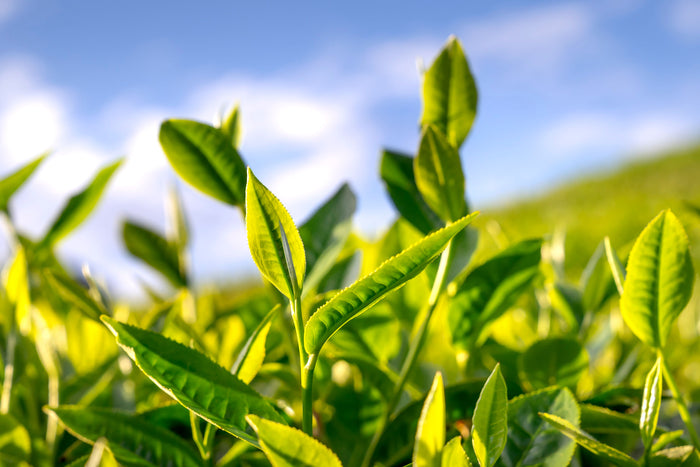
The tea plant grows wild in Assam, in India's northeast, and local communities there were drinking it before the British arrived. In 1823 Robert Bruce learned of the wild plants and arranged to obtain them from a Singpho chief. In 1834 the British set up a Tea Committee to find places to grow tea in India, and Assam was chosen. The first Assam tea was auctioned in London in January 1839.
For decades nearly all of that tea was shipped abroad. At home in India, it was still mostly seen as a medicine rather than an everyday drink.
Selling tea to India
In the early 1900s the tea industry turned to a new market: India itself. A 1903 law put a levy on tea exports to pay for promotion, and the Indian Tea Association began opening tea stalls and canteens at factories, mills and mines. The push got much bigger in the mid-1930s, when a glut of unsold tea led to a new board devoted to building demand at home. From 1936 its teams handed out free cups at railway stations and markets, drove vans with giant kettles through towns, put up posters and went door to door showing families how to brew. Vans with giant kettles. We'd have followed one down the street too.
The method they taught was the British one: steep the leaves, then add a splash of milk and a little sugar.
How chai wallahs made it their own
Indian tea vendors, known as chai wallahs, had other ideas. They simmered the leaves right along with plenty of milk and sugar, and many added spices such as cardamom, ginger, cinnamon, clove and black pepper. Their chai used less tea leaf per cup and suited local tastes far better. The tea industry wasn't thrilled, since spiced tea used less of its product, but customers loved it. By the late 1940s chai was drunk across every walk of life in cities like Calcutta, and it kept spreading in the decades after independence.
Railway stations became chai's natural home, with vendors calling out "chai, garam chai" (hot tea) along the platforms. It's often served in a kulhad, a small, handleless cup of unglazed clay.
The tea behind the spice
A new way of processing tea helped too. CTC, short for crush, tear, curl, was developed on an Assam tea estate in the early 1930s. It turns the leaf into small, tight granules that brew fast and strong, which makes them a natural match for boiling with milk, sugar and spices. That's why a brisk, malty Assam is still the classic base for masala chai.
Chai comes to America
Travelers coming home from South Asia in the 1960s and 70s brought a taste for chai with them, and it found early fans in places like San Francisco and Boulder. In the 1990s it took off in coffeehouses as the chai latte, made with a sweet, spiced concentrate and steamed milk. One of the first companies to bottle chai concentrate started in Portland in 1994, which is part of why chai feels so at home here in the Pacific Northwest. (We'd like to think the rain helped.)
Masala chai vs chai latte
| Masala chai | Chai latte | |
|---|---|---|
| How it's made | Leaves, spices, milk and sugar simmered together on the stove | Spiced tea or concentrate mixed with steamed, frothed milk |
| Flavor | Strong, brisk and spicy | Softer, creamier and usually sweeter |
| Where you find it | Homes and street stalls across India | Cafés and coffeehouses |
Make a pot at home
- Simmer a cup of water with your spices, such as a few crushed cardamom pods, a slice of fresh ginger, a piece of cinnamon and a few peppercorns, for 2 to 3 minutes.
- Add a heaping teaspoon of strong black tea per cup and simmer for another minute or two.
- Pour in an equal amount of milk and bring it just to a boil. Stay close here, because milk loves to boil over the second you look away.
- Sweeten to taste, strain into cups and serve hot.
Short on spices? Original Chai Heirloom Blend from Chai Five combines Assam black tea with cardamom, ginger, Ceylon cinnamon, cloves and nutmeg. If you'd rather build your own, World Spice's Classic Chai spice blend pairs well with a sturdy black tea such as their Jorhat Assam. For an evening cup, Spiced Herbal Chai from The Herbal Tea Co brings ginger, cinnamon, cardamom and clove without any tea leaf at all.
Explore our full chai collection and teas from India, or read about tea traditions around the world and the wider history of tea.
Quick answers
Where does chai come from?
Masala chai as we know it took shape in India in the first half of the 20th century, when tea vendors started simmering black tea with milk, sugar and spices.
What does chai mean?
Chai means "tea" in Hindi and many other languages. The word traces back to the Chinese cha.
Is "chai tea" redundant?
Technically, yes. It translates to "tea tea." In English, though, chai usually means spiced milky tea, so people know exactly what you're after.
What is the difference between chai and a chai latte?
Masala chai is simmered on the stove with milk and spices. A chai latte is a café drink that mixes spiced tea or a sweet concentrate with steamed milk.
Does chai have caffeine?
Traditional chai is made with black tea, so yes. Herbal chai made without tea leaves is caffeine-free, and our caffeine guide has the details.