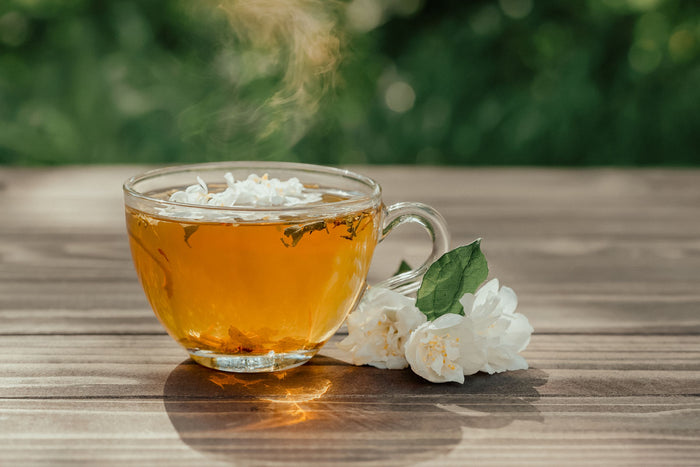
How to Grow Chamomile for Tea, From Seed to Cup
Chamomile is one of the easiest tea flowers to grow at home. How to sow it, harvest it, dry it and brew it, plus what to know about allergies, pets and look-alikes.

Growing chamomile for tea is easier than most people expect. German chamomile grows from seed in a single season, flowers about ten weeks after sowing and keeps making new blooms as long as you keep picking. Sow it on the surface in spring, give it sun and you'll have homegrown chamomile tea by midsummer. Winter is a fine time to plan, too, because the seed packet you order now is next July's tea.
German or Roman chamomile: which one is for tea?
For tea, most gardeners grow German chamomile (Matricaria chamomilla). It's an annual that reaches about 16 inches tall and covers itself in small white daisy flowers with domed yellow centers. It's the species most commonly grown for its blossoms, and it tends to reseed itself, so one good summer often turns into several.
Roman chamomile (Chamaemelum nobile) is a low, spreading perennial, a little shorter at around a foot. It's the one people plant as a fragrant groundcover or even a lawn. If tea is your goal, start with German chamomile.
How to plant chamomile from seed
Chamomile seed needs light to sprout, so don't bury it. Scatter it thinly on the surface of damp seed-starting mix and press it in gently with your palm. The seed is tiny, closer to dust than anything you'd call a seed. (Don't sneeze.)
- Indoors, sow in trays or small pots in early spring and keep them somewhere bright. A sunny window that gets 5 to 6 hours of strong light works, or a grow light left on for 12 to 16 hours a day. Pot the seedlings up once they're big enough to handle, then harden them off before planting out in late spring.
- Outdoors, sow straight into the garden once the soil has warmed to about 55°F, usually mid-spring. Keep the surface evenly moist until the seedlings are up.
- Either way, thin or plant seedlings about 6 inches apart.
Chamomile likes full sun and light, well-drained soil. We're in the Pacific Northwest, where "full sun" is more of a hopeful phrase than a forecast, and it still does fine in a bright spot.
Can you grow chamomile in pots?
Yes. A wide pot with drainage holes holds a small patch of German chamomile nicely. Pots dry out faster than beds, so water when the top of the mix feels dry.
When and how to harvest chamomile flowers
Pick the flowers when they've just opened fully, while they still look fresh. Pinch or snip just below the flower head and leave the leafy stems behind. Regular picking keeps the plant blooming longer, so go out every few days during peak season. It's a pleasant chore. You'll smell like apples.
Harvest on a dry morning after the dew has gone. Wet flowers are harder to dry and more likely to spoil.
How to dry chamomile for tea
- Shake each flower gently to send any small insects on their way.
- Spread the flowers in a single layer on a tray, a screen or a sheet of paper.
- Leave them somewhere warm, dry and airy, out of direct sun, for one to two weeks. Turn them now and then.
- They're ready when the centers feel completely dry and crumbly, with no soft or damp spots.
- Store them whole in an airtight glass jar in a cool, dark cupboard and use them within about a year.
How to make chamomile tea from your own flowers
Start with about a tablespoon of dried flowers per 8 ounces of water. Pour on just-boiled water, cover the cup to hold in the aroma and steep for 3 to 5 minutes. Fresh flowers work too, so pick a small handful and see how you like it. Taste, then adjust next time. Homegrown flowers vary from batch to batch, which is half the fun.
If your seeds are still in the mail, you can get to know the flavor first. Tea with Tae's Chamomile Hot Tea Pouch is whole chamomile flowers and nothing else. FARMERS Lavender Co. pairs whole chamomile with lavender buds in its small-batch Lavender Chamomile Loose Leaf Tea Blend, and The Herbal Tea Co's Soft Chamomile Medley adds bamboo leaves and cornflowers. Browse more in Herbal & Caffeine-free, or keep the garden going with our guides to growing mint for tea and rose hip tea.
Good to know before you brew
Chamomile belongs to the daisy family, the same big family as ragweed, chrysanthemums, marigolds and daisies. People who are allergic to those plants are more likely to react to chamomile, and reactions can be serious. If that's you, skip it or ask your doctor first.
Chamomile can also interact with some medications, including the blood thinner warfarin. If you're pregnant, nursing, taking any medication or managing a health condition, check with a healthcare professional before you start drinking a new herbal tea.
If you have pets, keep your patch out of reach. The ASPCA lists chamomile as toxic to dogs, cats and horses, with possible signs such as vomiting, diarrhea and skin irritation.
Foraging wild chamomile
Several weedy relatives look a lot like chamomile, so buying named seed is the safer route. Stinking chamomile, also called mayweed (Anthemis cotula), has very similar white and yellow flowers but gives off a strong, unpleasant smell when crushed, and the ASPCA lists it as toxic to pets as well. Scentless chamomile looks alike and has almost no smell. Pineapple weed has no white petals at all, just a small green-yellow cone, and smells of pineapple. Smell alone isn't proof, though, and these plants often grow side by side. If you want to forage anyway, follow the ground rules:
- Only pick a plant you can identify with 100% certainty. If there's any doubt, leave it.
- Avoid roadsides, sprayed lawns and fields, and anywhere that may be polluted or treated with chemicals.
- Get the landowner's permission and follow local rules for parks and public land.
- Take only a small share from any patch, and never pick rare or protected plants.
- Clean and dry what you gather well before you store or brew it.
A 6-inch row in the garden beats a ditch every time. You'll know exactly what's in your cup.
Quick answers
How long does chamomile take to grow from seed?
German chamomile usually starts flowering about 10 weeks after sowing, so spring-sown seed gives you flowers by early to midsummer.
What part of chamomile do you use for tea?
The flower heads. Pick them when they've just opened fully and leave the stems and leaves on the plant.
Does chamomile come back every year?
German chamomile is an annual, but it often reseeds itself, so new plants may pop up next spring. Roman chamomile is a perennial that returns on its own.
Should chamomile seeds be covered?
No. They need light to germinate, so press them onto the surface of moist soil and leave them uncovered.
Does chamomile tea have caffeine?
No. Chamomile doesn't come from the tea plant, so it's naturally caffeine-free. Our caffeine guide explains why.