How to Choose a Tea Set: What You Actually Need to Brew Good Tea
A friendly guide to choosing a tea set by how you brew, from Western teapots and glass to gaiwans, kyusu and travel infusers, plus materials, sizes and a starter set by budget.

A good tea set doesn't need to be fancy, matching or wrapped in tissue paper. It needs to suit the way you (or the person you're shopping for) actually like to brew. So when we help someone choose a tea set, we start with the tea and work outward to the pot, the cups and the infuser. Below you'll find the main brewing styles, the materials worth knowing and a starter set at a few price points.
What comes in a tea set?
Most tea sets include a teapot and a few cups, and the better ones add a way to strain the leaves. For loose leaf tea, that last part matters most. Leaves need room to unfurl, so look for a roomy basket infuser or a pot with a built-in strainer rather than a tiny ball. Trays, pitchers and scoops are nice extras, not requirements. If a set skips the infuser, a separate one like Tea + Linen's Tea Infuser Basket ($18) fits cups, mugs and teapots, and its lid turns into a coaster once the tea is done.
Choose by how you brew
Western teapot, for big and easy pots
This is the round teapot most of us grew up with. You use a modest amount of leaf, steep for a few minutes and pour. It suits black tea, herbal blends and anyone who likes a full mug with a refill waiting. Look for a removable infuser so you can lift the leaves out when the tea tastes right. The EVA 3-Piece Tea Set from Maia Ming Designs ($74.99) pairs a white porcelain teapot and stainless steel mesh infuser with two teacups, a tidy tea-for-two gift.
Glass teapot, for watching the show
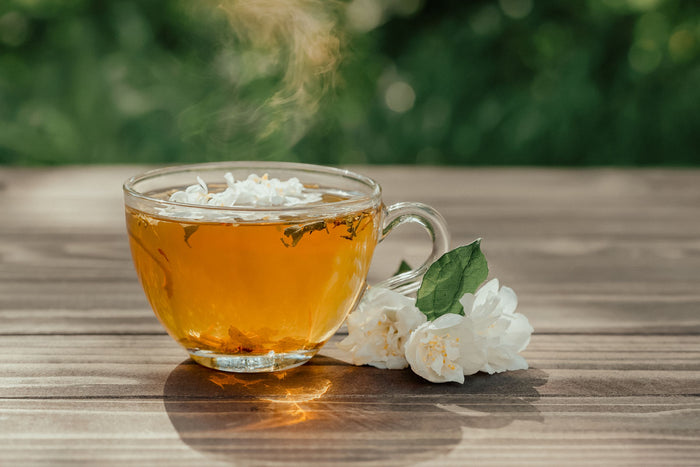
Glass is neutral, so you can go from green tea in the morning to hibiscus at night without any flavor carrying over. It also lets you watch the leaves open and the color deepen, which never really gets old. August Uncommon's Two Cup Glass Teapot ($27.99) holds 20 ounces, about two cups, and its maker lists it as dishwasher safe. Want glasses to match? The same maker's Tea for Two starter set ($69.99) adds two double-walled tasting glasses, a mesh infuser and a scoop.
Gaiwan, for gongfu sessions
A gaiwan is a small lidded bowl, usually porcelain, that you steep in and pour from. It came into use in China during the Ming dynasty, when loose leaf tea took over from powdered tea, and it's still a favorite for gongfu brewing: plenty of leaf, a little water and many short steeps. Glazed porcelain doesn't absorb flavor, so one gaiwan can handle oolong today and green tea tomorrow. Far East Finds sells its handmade Jingdezhen pieces one at a time, including a lidded bowl of about 200 ml and a small 70 ml tasting cup (from $26.99), so you can build a set slowly. Fair warning: pouring from a gaiwan takes practice, and your fingertips will have opinions at first.
Kyusu, for Japanese green tea
A kyusu is the Japanese teapot with a handle sticking out of its side. That side handle lets you hold the lid with your thumb as you pour, and many kyusu have a fine built-in strainer that suits small, needle-shaped green tea leaves like sencha. They're made in clay or porcelain, and potters in Tokoname are especially known for them. If Japanese green tea is your daily cup, a kyusu is worth seeking out.
Travel infuser, for tea on the go
Not every tea set lives on a shelf. An insulated infuser bottle lets you brew loose leaf at your desk or halfway up a trail. The Ukiyo Wood Tea Infuser Bottle ($29.90) holds 16 ounces and has an ultra-fine stainless steel filter you lift out once the tea is as strong as you like it.
Teapot materials at a glance
| Material | Good to know | Works well for |
|---|---|---|
| Porcelain | Glazed and non-porous, so it doesn't hold flavors | Any tea, especially green, white and oolong |
| Glass | Neutral and see-through | Herbal blends, flowering teas and anything colorful |
| Unglazed clay | Porous, so it slowly takes on the character of the tea | One favorite tea type, such as oolong or pu-erh |
| Cast iron | Teapots are usually enamel-lined and made for brewing, not for boiling water | Anyone who loves a heavy, heirloom pot |
| Stainless steel | Sturdy and easy to clean | Infusers and travel bottles |
Whatever you choose, follow the maker's care instructions, especially for clay and cast iron.
How big should a tea set be?
Think about how many people usually drink together. A pot of about 20 ounces pours two generous cups, which is plenty for most households. Gongfu vessels are much smaller, often 100 to 200 ml, because you refill them again and again. Cups follow the same logic: mugs or a classic tea cup set for Western brewing, and tiny cups of roughly 30 to 70 ml for gongfu sipping. If you mostly drink alone, don't overbuy. A giant pot of tea going cold on the counter is nobody's idea of a good afternoon.
A starter tea set by budget
- Under $30: pair a mug you already love with the Tea Infuser Basket ($18), or start with the Two Cup Glass Teapot ($27.99). Either one makes loose leaf easy from day one.
- Around $70 to $75: the Tea for Two starter set ($69.99) or the EVA 3-Piece Tea Set ($74.99) covers pot, cups and infuser in one box.
- A gongfu setup, built over time: start with a Jingdezhen lidded bowl ($54.99) and a couple of small tasting cups ($26.99 each), then add a pitcher if you get hooked. (You probably will.)
Shopping for someone else? A tea set plus a tea they'll love makes a complete gift. Our tea gift guide sorts ideas by the kind of tea drinker on your list, and holiday tea gift ideas by budget runs from stocking stuffers to splurges. Every pot, cup and infuser we carry lives in Teaware & Tools, with hand-thrown pieces in Handmade Teaware and everyday basics in Strainers & Infusers.
Prices are accurate at the time of writing and may change.
Quick answers
What should a beginner tea set include?
A teapot or a big mug, a roomy infuser and a cup or two. That covers nearly every tea, and you can add special pieces later.
What is the best material for a teapot?
Porcelain and glass are the most versatile because they don't hold onto flavors. Unglazed clay is a good pick for one favorite type of tea, since it slowly absorbs that tea's character.
Is a teapot with an infuser worth it?
For loose leaf, usually yes. A removable infuser lets you pull the leaves out when the tea tastes right, so the last cup isn't bitter.
Can I brew any tea in any teapot?
In glass or porcelain, pretty much. What changes from tea to tea is the water temperature and steep time, and our loose leaf brewing guide has a cheat sheet for both.